New Year, New Credentials: How Every Company Should Refresh Its ID Card System
The start of a new year is the perfect time for organizations to evaluate systems that often run quietly in the background—but play a critical role in security, efficiency, and brand image. One of the most overlooked of these is the employee ID card system.
Whether your company has 25 employees or 25,000, an outdated ID card program can create security gaps, operational inefficiencies, and a poor first impression. A new year offers a natural checkpoint to modernize your credentials and ensure they align with today’s workplace needs.
Here’s what every company should do to refresh their ID card system this year.
1. Audit Your Current ID Card Program
Before making upgrades, start with a clear assessment of what you have today.
Ask key questions:
- Are all active employees issued current badges?
- Are terminated or former employees’ credentials properly deactivated?
- Do badges reflect current job titles, departments, or branding?
- Is badge production slow, manual, or dependent on one person?
Many organizations discover their ID system has grown outdated simply because it “still works.” An audit helps identify hidden risks and opportunities for improvement.
2. Upgrade Card Technology for Better Security
If your company is still using basic photo ID cards without embedded technology, this year is the time to modernize.
Consider upgrading to:
- Proximity or smart cards for controlled access
- Dual-function cards that support both physical access and logical access (computers, printers, or networks)
- Encrypted credentials that reduce the risk of cloning or misuse
Modern card technologies integrate seamlessly with access control systems and provide better protection against unauthorized entry—especially important as hybrid work and shared office spaces continue to grow.
3. Refresh Card Design to Match Your Brand
ID cards are more than security tools—they’re part of your company’s visual identity.
A new year is an ideal moment to:
- Update logos, colors, or fonts
- Improve readability of names and photos
- Add visual distinctions for employees, contractors, and visitors
A clean, professional badge design reinforces your brand culture and instantly communicates credibility to clients, partners, and visitors.
4. Streamline Badge Issuance and Replacements
If issuing a new badge takes days—or involves emailing multiple departments—it’s time for a process upgrade.
Modern ID systems allow companies to:
- Print badges on demand
- Standardize templates across departments or locations
- Quickly replace lost or damaged cards
- Reduce reliance on third-party printing services
Faster badge issuance means smoother onboarding, fewer security exceptions, and less frustration for employees and administrators alike.
5. Integrate ID Cards with Other Business Systems
Your ID card system shouldn’t operate in isolation.
Many organizations are now integrating badges with:
- Time and attendance tracking
- Visitor management systems
- Cashless vending or cafeteria payments
- Secure printing and document release
An integrated approach improves efficiency while giving leadership better visibility into facility usage and employee movement—without adding complexity for users.
6. Plan for Growth and Change
A common mistake companies make is choosing an ID system that fits today but can’t scale tomorrow.
As you refresh your system, consider:
- Expected headcount growth
- New office locations or remote sites
- Increased compliance or security requirements
- Future technology upgrades
Choosing flexible printers, software, and card types ensures your investment remains valuable for years to come.
7. Train Staff and Set Clear Policies
Even the best ID card system can fail without proper usage.
Start the year by:
- Retraining administrators on badge issuance and security protocols
- Reinforcing employee policies around badge use and visibility
- Establishing clear procedures for lost, stolen, or damaged cards
Clear policies reduce risk and help create a culture where security is shared responsibility—not just an IT concern.
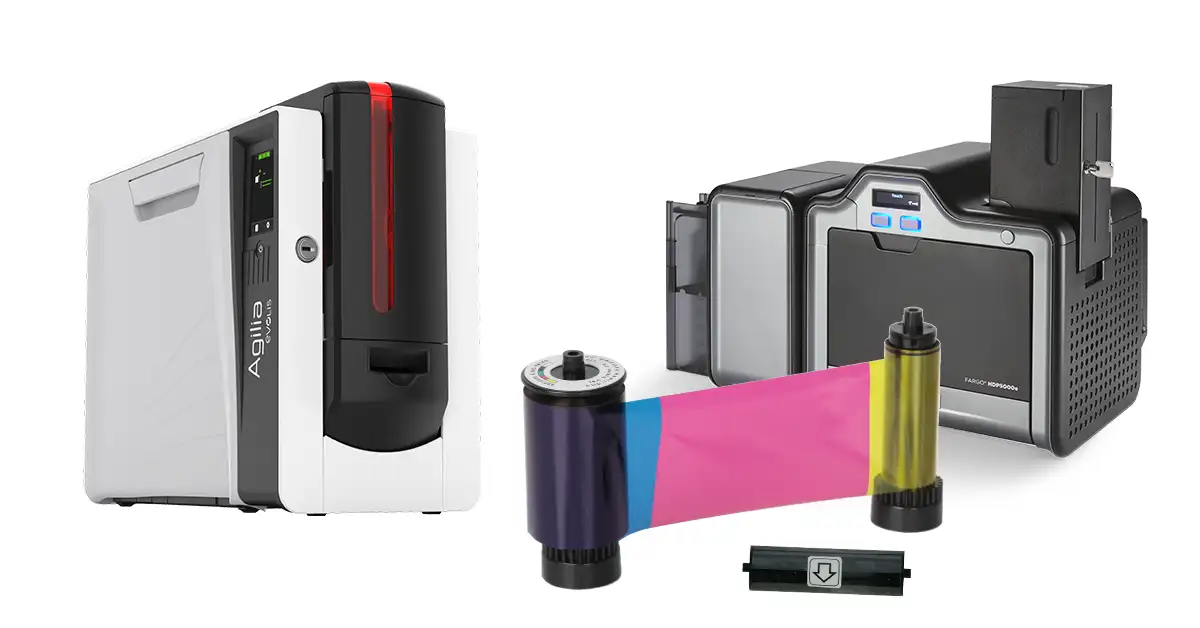
8. Replace Aging Hardware Before It Fails
If your ID card printer is several years old, prone to jams, or no longer supported by the manufacturer, it’s a liability waiting to happen.
Newer printers offer:
- Faster print speeds
- Better image quality
- Enhanced encoding options
- Lower maintenance and downtime
Proactively upgrading hardware at the start of the year prevents unexpected disruptions during peak onboarding or compliance periods.
Start the Year with Stronger Credentials
Refreshing your ID card system isn’t just a security upgrade—it’s an investment in efficiency, professionalism, and future readiness. The new year provides a clean slate to close gaps, modernize technology, and ensure your credentials reflect the organization you are today—and the one you’re building for tomorrow.
If your ID card system hasn’t been reviewed in the last few years, now is the time to make it a priority. A smarter, more secure badge program can make a bigger impact than you might expect.